
CBT For Insomnia
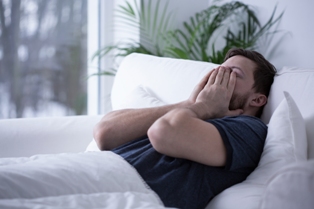 So you cannot sleep and don't know what to do to get the necessary sleep in that your body and mind requires. There has always been the option to practice sleep hygiene and to simply try to go to bed earlier.If this fails there is always enough sleep medication available by prescription or over the counter.
According to science literature, the secret of How To Get More Sleep or to get better sleep may be to purposefully get less of it. This is called restriction Therapy and it is a component of CBT-I, that is cognitive behavioural therapy specifically for insomnia.
How it works is you need to reduce the amount of time you try to sleep to the actual number of hours you can sleep. You need to keep track of how much sleep you are getting for a couple of weeks, let us say 5-6 hours per night, then you set a non negotiable wake-up time, usually the latest possible hour you can get up, let's say 6.30am. The guidelines of restriction therapy, you do not allow yourself to go to bed until 1am. If this is successful, all yourself to go to bed 15 minutes earlier gradually until you are sleeping up to 7 or 8 hours per night.
The bulk of evidence shows that this approach was about equally as effective as medication. In some cases it was found that it actually works better. CBT-I is more than just sleep restriction — it focuses on changing an insomniac's thoughts and behaviours regarding sleep, and much of it does include sleep advice, like shutting off your electronic devices about an hour before sleep or going to bed and getting up at the same time every day.
The reason why sleep restriction Therapy works is that you are so exhausted by the time you hit the pillow that you immediately fall into a deep sleep so in time, your mind starts associating your bed with actual restful sleep. If you are looking at How To Get More Sleep or if you are suffering from insomnia please contact us on This email address is being protected from spambots. You need JavaScript enabled to view it.
Source: NYMAG.COM - http://nymag.com/scienceofus/2015/10/get-better-sleep-maybe-try-staying-awake.html